Do PPIs or Antidepressants Affect Dental Implant Success? Here's What the Research Shows
At Stahr Oral Surgery, we take a comprehensive look at each patient's medical history before recommending dental implant treatment. Overall health and daily medications play a significant role in how well an implant integrates with the jawbone and how long it lasts.
Two medication classes patients often don't think to mention are proton pump inhibitors (PPIs) and selective serotonin reuptake inhibitors (SSRIs). Recent research shows both are worth a closer conversation before surgery.
Proton Pump Inhibitors (PPIs)
PPIs—commonly prescribed for acid reflux and GERD—have been linked in several studies to a higher risk of implant failure. Proposed mechanisms include reduced bone density from hormonal changes, decreased absorption of key nutrients like calcium and vitamin B12, and shifts in oral bacteria that affect peri-implant tissue health.
The clearest signal comes from one study finding implant failure risk over four times higher in chronic PPI users. Reported failure rates across studies vary widely—roughly 7–19% in PPI users compared to 3–14% in non-users—reflecting differences in patient populations, dosage, and follow-up length rather than a single consistent number.
The evidence isn't entirely unanimous, though. A 2022 review found existing data too limited for firm conclusions and even suggested PPIs might protect periodontal tissue in certain contexts. Still, several more recent, larger studies point toward increased risk, which is why we factor PPI use into our surgical planning.
What this means for you: Taking a PPI doesn't rule out implants. If you take one regularly, we'll discuss your history and coordinate with your physician to see if alternative reflux management or modified follow-up schedules make sense for your care.
SSRIs
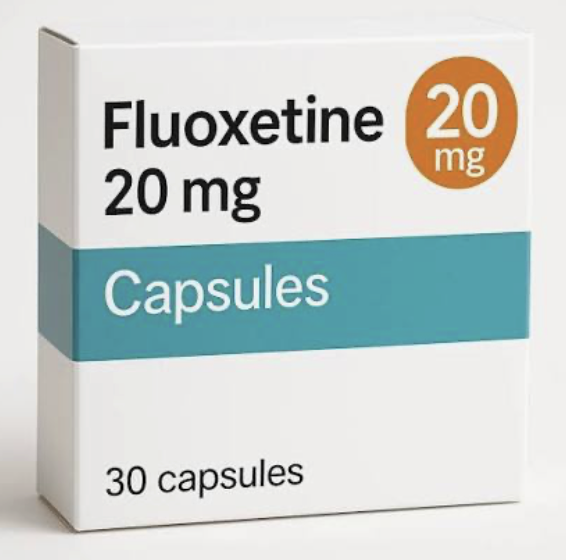
SSRIs, commonly prescribed for depression and anxiety, are taken by a large portion of adults. Serotonin receptors exist directly within the bone-forming and bone-resorbing cells that drive implant integration. Because of this, SSRIs can tilt the body's natural balance toward more bone breakdown and less bone formation.
Retrospective studies show lower implant survival rates in long-term SSRI users, including one 20-year study that found a 60% higher likelihood of implant failure in patients with a history of sertraline use. Broader research is still ongoing to clarify exact dose and duration effects, but the current evidence gives us valuable guidance for treatment timing and post-op monitoring.
What this means for you: SSRI use is not a barrier to getting implants. We simply build this information into how we time your procedure, plan your healing phase, and structure your follow-up care.
The Takeaway
Your medical history helps us plan for the best possible outcome. If you take a PPI, an SSRI, or any long-term medication, let us know during your consultation so we can tailor your care accordingly.
Source: Arribas AR, Galbraith BS, Wong ME. "The Effect of Medical Status on Long-Term Survival of Dental Implants." Oral Maxillofac Surg Clin N Am. 2025;37:17–24.
Disclaimer: This content is for educational purposes only and does not constitute medical advice. Never stop or alter a prescribed medication without first consulting your physician.